
As global trade continues to expand, the logistics industry faces growing pressure to operate responsibly and reduce its environmental impact. Sustainability is no longer just a trend — it’s a business imperative shaping the future of global logistics. From cleaner transport methods to eco-friendly packaging, companies worldwide are rethinking their operations to build a greener supply chain.
1. Green Transportation and Alternative Fuels
One of the most significant shifts in logistics is the move toward low-emission and electric vehicles. Many freight companies are investing in electric trucks, hybrid fleets, and biofuel-powered ships to reduce carbon footprints. Air carriers are also exploring sustainable aviation fuels (SAF) as part of their decarbonization strategies.
2. Optimized Route Planning
Advanced technologies such as AI-driven route optimization and real-time data analytics are helping logistics providers cut unnecessary mileage and fuel usage. By selecting the most efficient delivery routes, companies minimize emissions, reduce costs, and improve delivery times.
3. Eco-Friendly Warehousing
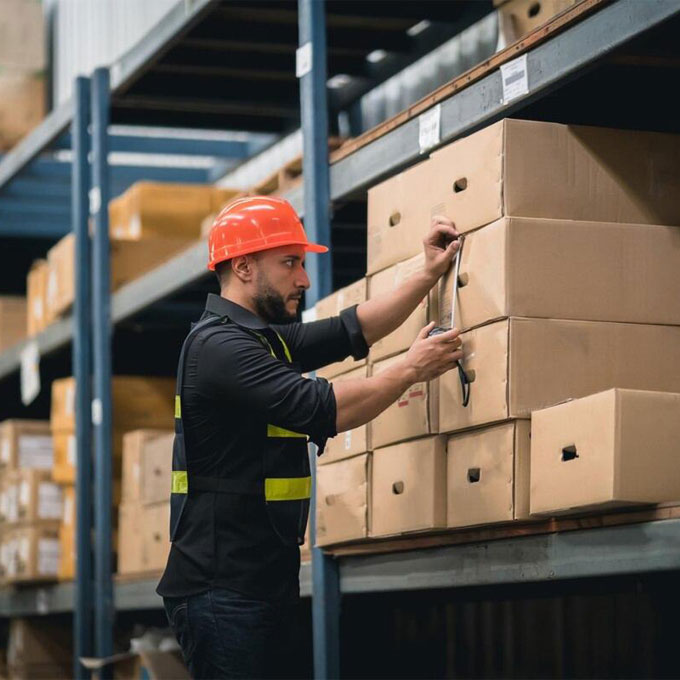
Modern warehouses are being designed with sustainability in mind. Solar energy systems, LED lighting, energy-efficient HVAC systems, and recyclable materials are becoming the norm. Smart warehouse management systems also help reduce waste and maximize space utilization.
4. Sustainable Packaging Solutions
The logistics industry is embracing biodegradable, recyclable, and reusable packaging to minimize waste. Innovations such as smart packaging also help monitor product conditions, ensuring that goods are protected without excess material use.
5. Digitalization for Efficiency
Digital documentation, e-invoicing, and paperless operations reduce the environmental impact of administrative processes. Cloud-based logistics platforms improve collaboration, reduce errors, and eliminate the need for physical paperwork.
6. Partnering for a Greener Future
Sustainability is a shared responsibility. Logistics companies are increasingly partnering with eco-conscious suppliers, customers, and technology providers to build a collective impact — creating more resilient, ethical, and transparent supply chains.
Conclusion
Sustainable logistics is not just about reducing emissions — it’s about building smarter, more efficient, and more responsible operations for the long term. As global logistics continues to evolve, embracing sustainable solutions today will ensure a cleaner, more connected, and more competitive tomorrow.